

New Hearing Protection Options for Concertgoers
Living in the East Bay means live music is never more than a short drive
By: admin | August 24, 2026
Living in the East Bay means live music is never more than a short drive away. Between local venues, community events and smaller rooms across the area, there’s usually a show happening somewhere.
Plenty of people around here have built entire friendships around who’s playing where this weekend. Ear protection doesn’t always enter the picture, especially when you’ve been going to concerts for years and have no plans to stop.
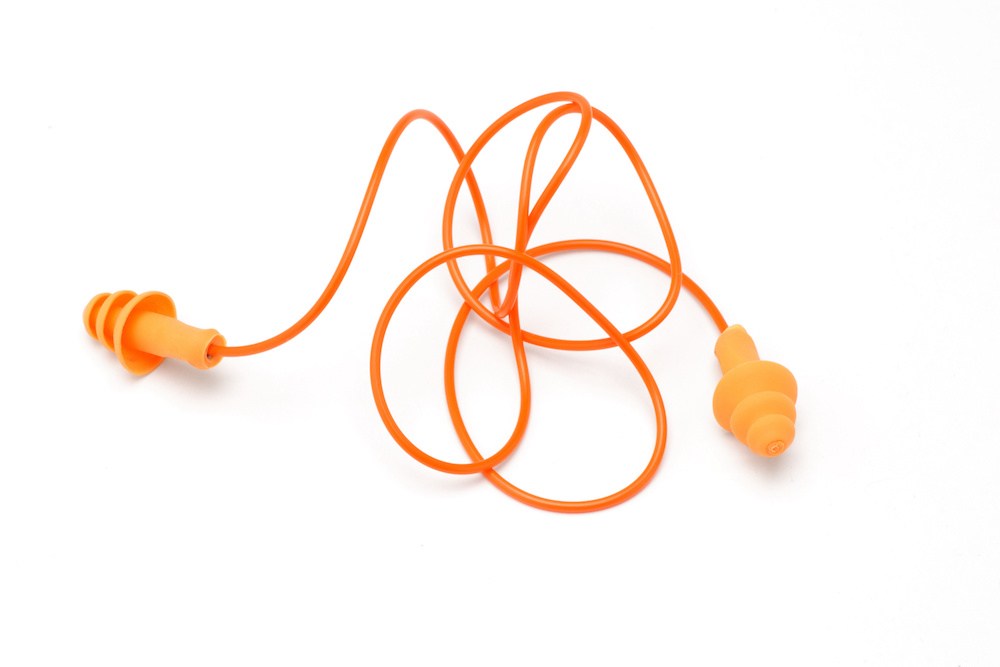
Foam earplugs have a reputation for turning music into a muffled blur, but they’re no longer the only option. Newer designs are made for people who care about how music sounds.
If past earplugs made a concert less enjoyable, today’s hearing protection options don’t give you the same experience. The technology has changed quite a bit, including how sound reaches your ears while you’re wearing them.
Live music can reach levels far above what we encounter during an ordinary conversation. Inside the inner ear, tiny sensory cells respond to those vibrations and help send information to the brain.
Higher volumes make those cells work harder, especially when the performance lasts for several hours. Enough strain can temporarily reduce how well they respond, while repeated or intense noise can cause permanent damage & hearing loss.
Length plays a role alongside volume. Spending twenty minutes near powerful speakers isn’t the same as staying there through an opening act and a full headline set.
Where you stand can change your exposure as well, since areas close to speakers may receive considerably more noise. Over years of attending shows, repeated high-volume listening can affect the range and detail you’re able to hear.
A decibel meter measures the sound pressure in the room and shows how the level changes as the performance moves from a quieter song to a louder one.
Where the reading is taken makes a difference. The front row, middle of the crowd and mixing booth may all register different numbers due to the distance from the speakers and the way the venue carries sound.
Measurements can also be collected throughout the performance rather than at a single moment. This shows how long the audience spends around higher levels, including stretches that may not seem especially loud while you’re standing in the crowd.
Some venues use monitoring equipment that records those changes automatically. You can check the level with a phone app too, although the reading is more of an estimate than a professional measurement.
After a loud concert, your hearing may seem different once you step away from the crowd and into a quieter place. Some changes fade quickly, while others may stick around longer.
You might notice:
For concertgoers, this can mean more even protection from one show to the next. Filters built into the plugs lower the overall level while allowing different frequencies to pass through in a more balanced way.
You can still hear vocals, instruments and people talking without taking the plugs out every time someone speaks to you.
Regular concertgoers may also benefit from having filters with different levels of sound reduction. A small acoustic show doesn’t produce the same volume as standing near the stage at a larger venue, so one level isn’t always right for every event.
Depending on the design, filters can be changed while the molded portion stays the same. Custom plugs are also reusable, which makes them practical for someone attending shows throughout the year rather than occasionally
High-fidelity earplugs work differently from plugs that simply block as much noise as possible. A small acoustic filter controls how sound passes through the plug, lowering the overall level without cutting some frequencies much more than others.
That balance is what keeps vocals from becoming muddy and instruments from losing their character. You hear a quieter version of the mix rather than one where certain parts seem to disappear.
This is especially helpful with live music because so much of what you enjoy comes from the relationship between different frequencies.
Bass, vocals, cymbals and guitars occupy different parts of that range. When those parts are reduced more evenly, the mix stays closer to what the sound engineer intended.
You can lower what reaches your ears without making the performance sound like you’re listening through a thick barrier.
Disposable and reusable earplugs aren’t just two versions of the same thing. Foam plugs expand inside the ear canal, creating a physical barrier that reduces a broad range of sound.
That can work well when the main goal is lowering overall noise, but music may lose some of its detail in the process. They also need to be inserted correctly each time to provide the intended amount of protection.
Reusable plugs are shaped to be worn again, and many versions made for concerts include acoustic filters. Instead of relying only on a solid barrier, the filter controls how much sound passes through at different frequencies.
They can be removed, cleaned and stored between shows without changing their basic shape. The choice between the two depends on whether you want straightforward noise reduction or a design made with the sound of live music in mind.
The material used in an earplug affects how it fits, seals and holds up with repeated use. Today’s hearing protection is made from several materials, each used for a different reason:
You can pair certain models with your phone and adjust through an app. Some let you control how much outside sound comes through, which helps when talking between sets.
Built-in microphones may pick up nearby voices while the electronics limit louder noise.
Since these models run on batteries, they need to be charged before you head to a show. The Bluetooth connection itself doesn’t protect your hearing, so the fit and noise reduction still need to suit the venue.
The right earplug depends on where you listen, how often you attend shows and what you want the music to sound like. Before choosing a pair, think about:
You can still catch the vocals, instruments and details that made you buy a ticket in the first place. Protecting your ears doesn’t have to change what you enjoy about going to shows. It simply lets you keep listening with less exposure to damaging noise.
Your ears, listening preferences and concert habits can all influence which type of protection works for you.
At Kenwood Hearing Centers in El Cerrito, we can show you the available options and explain how each one works. We also offer custom-fitted earplugs made from molds of your ears. Call us at (510) 768-7091 to schedule a visit.
Tags: hearing loss prevention tips, hearing protection products
Living in the East Bay means live music is never more than a short drive
By: admin | August 24, 2026

One of the first thoughts that comes up when someone looks into hearing
By: admin | May 18, 2026
Most people don’t seek out hearing aids for the calm moments at
By: admin | March 25, 2026