

New Hearing Protection Options for Concertgoers
Living in the East Bay means live music is never more than a short drive

By: admin | May 18, 2026
One of the first thoughts that comes up when someone looks into hearing aids is how noticeable they might be.
It’s not just about appearance, but about how something worn throughout the day fits into work, conversations and routines. When that picture forms early on, it can shape how someone feels about moving forward.
Hearing devices today come in different styles and sizes, and they sit either inside the ear or just behind it, depending on the design.
Some are small enough to sit deep enough in the canal that they’re barely seen, while others rest behind the ear with a slimmer shape. How they feel during a full day of wear also matters, since comfort impacts in whether they stay part of someone’s normal routine.
A lot of people think about visibility because hearing aids sit in such spaces – work and all the small interactions that make up a normal day. When something new gets added to that routine, it’s natural to consider how present it feels in those moments, especially early on.
It’s less about trying to hide anything and more about how easily it fits into situations where attention is usually on other things.
There’s also a practical side to it. Some people don’t want their hearing aid to become part of the conversation in social settings, even if no one would comment on it.
Others simply prefer not to have to think about it once it’s in place. When a device sits more discreetly, it tends to fade into the background of the day.
Discreet hearing aids in 2026 usually come in a few main styles that differ in how they sit in or around the ear. Invisible-in-canal (IIC) devices are placed deep inside the ear canal, so they are mostly out of sight during normal use.
While completely-in-canal (CIC) styles sit a bit closer to the opening of the ear but are still designed to stay low-profile.
Receiver-in-canal (RIC) devices work differently, with a small piece sitting behind the ear and a thin wire leading into the ear canal, which keeps the visible part relatively minimal compared to older designs.
Each style changes how present the device feels in everyday situations, not just how noticeable it is visually.
Some hearing aids are barely noticeable due to their small size, shape and subtle colors. Advanced components allow these to fit deep inside the ear canal or sit close behind the ear.
These features let you wear your hearing aid with confidence, knowing it’s not obvious to others. Feeling good about how your device looks can make it easier to use it regularly and support better communication with friends, family and coworkers.
The materials used in today’s hearing aids help make them less visible. Many discreet models use clear or skin-toned plastics that blend with your ear or hair color. These lightweight plastics make all-day wear easier.
Some devices use medical-grade silicone for parts that sit inside the ear canal. Silicone is soft and flexible, so it fits securely without causing irritation.
Internal parts may use thin metals like titanium, allowing for smaller and lighter designs. As technology advances, new materials continue to offer even more options for a nearly invisible fit.
Color and finish choices affect how a hearing device looks when it’s being worn, not just how it looks in photos or displays. Many are made in skin tone or hair-adjacent shades, so they don’t contrast as much with the area around the ear.
Matte finishes tend to sit more discreetly in different lighting because they don’t reflect as much light, while shinier surfaces can be more noticeable when light hits them directly.
The combination of color and surface finish changes how much the device stands out as someone moves through different spaces during the day.
Custom fitting helps your hearing aid stay hidden by shaping it to match your ear’s unique curves. This process uses a mold or digital scan to create a device that sits deeper and more securely inside the ear canal.
Benefits of custom fitting include a snug fit that keeps the device from sticking out and less chance of movement during activities.
Custom-fit devices can also be made with finishes or colors that match your skin tone for an even more natural look.
Wireless hearing aids are popular because they don’t require extra visible parts like cords or external controls. Using technology like Bluetooth, these devices connect directly to phones, TVs and other electronics.
Some people may need guidance on setting up wireless features.
A hearing specialist can provide step-by-step help or direct you to support resources from the manufacturer. Learning how to use these features makes it easier to enjoy clear sound while keeping your device discreet.
Rechargeable batteries have changed how hearing aids are built because they remove the need for a separate space to store and swap out disposable batteries.
That frees up room inside the device, allowing the internal parts to be arranged in a tighter, more compact way. As a result, the overall shape can be reduced, which changes how the device sits on or in the ear during use.
It also affects how the components are balanced, since designers are working with a different internal layout rather than one built around a removable battery slot.
Smaller hearing devices still need to deal with the same range of sound that larger ones do, which is why noise reduction technology has become such a key part of their design.
Even in more compact models, microphones pick up sound from the environment and process it in a way that separates speech from background noise.
The challenge comes from doing that inside a smaller space, where all the components are packed more tightly and there is less room for processing hardware.
As these devices get more discreet, the way noise is handled becomes more noticeable in various situations like busy rooms or outdoor settings. Background sounds like movement, overlapping voices or general environmental noise are analyzed in real time.
Choosing a discreet hearing device often comes down to how it fits into your daily routine and what kinds of situations you find yourself in most often.
Different designs and features can feel more or less noticeable depending on how and where they are used.
Tips for picking a discreet device that matches your needs include:
Important questions to ask your hearing specialist about staying discreet include:
To keep your discreet hearing aids performing their best, daily cleaning and proper storage are important. Store your devices in a dry, safe place when not in use and check the batteries regularly to maintain sound quality.
You might wonder about the best ways to care for these smaller devices. Some common questions include how often to clean them, the right way to store them overnight and whether special tools are needed for cleaning.
Also, see if moisture can cause damage more easily than with larger models. Taking care of your hearing aids helps them last longer and work better for you.
Finding the right fit is rarely about picking the smallest option available. It’s about matching the right device to your specific hearing needs, your ear shape and how you spend your days.
A hearing aid that works well for someone else might not be the best choice for you. That’s exactly why it helps to work through the options with someone who can look at the full picture rather than just hand you the most popular model.
That’s the kind of conversation we have regularly at Kenwood Hearing Centers in El Cerrito, CA. If you’re ready to find out what’s available and what might work for your life specifically, give us a call at (510) 768-7091.
We can walk you through your options and help you find something that fits the way you want to wear it.
Tags: benefits of hearing aids, hearing aid repair, hearing aid styles
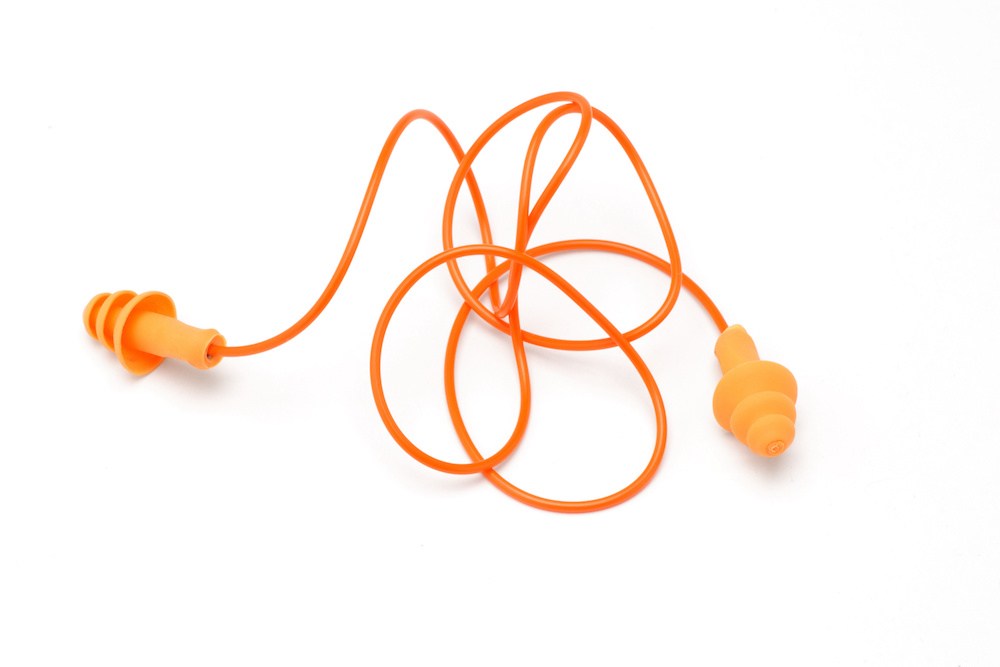
Living in the East Bay means live music is never more than a short drive
By: admin | August 24, 2026
One of the first thoughts that comes up when someone looks into hearing
By: admin | May 18, 2026
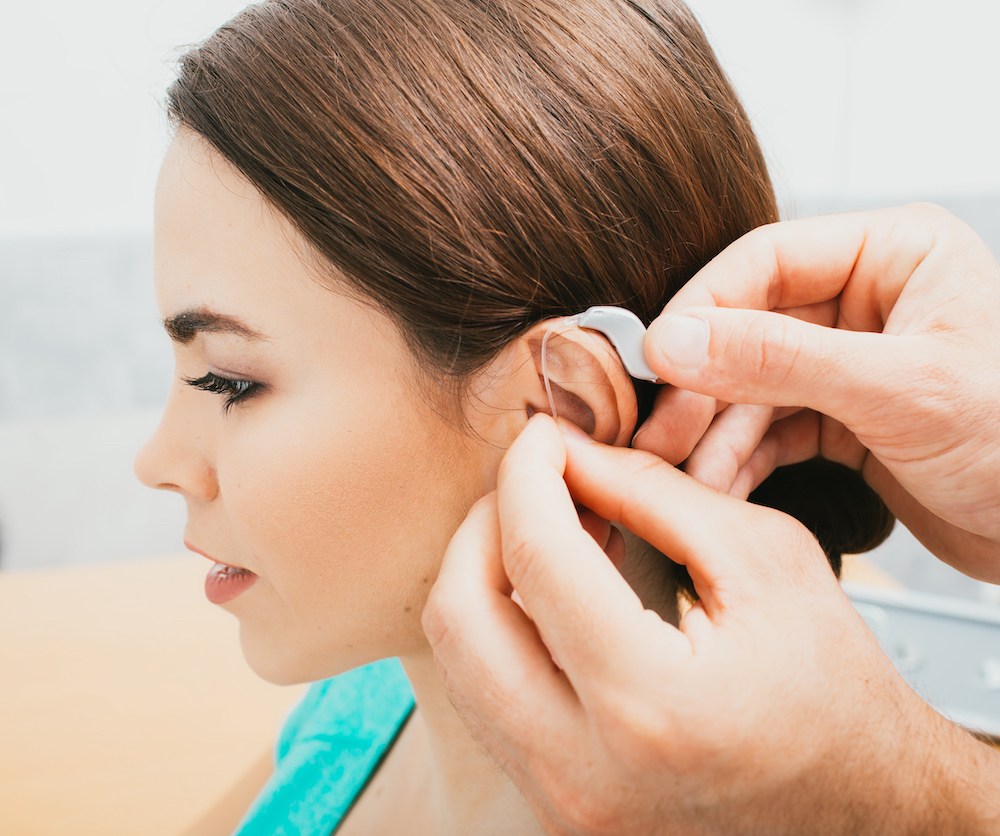
Most people don’t seek out hearing aids for the calm moments at
By: admin | March 25, 2026