
Why Patient Education Leads to Better Hearing Outcomes
If you’ve ever stopped at the El Cerrito Plaza Farmers Market,
By: admin | October 27, 2026
If you’ve ever stopped at the El Cerrito Plaza Farmers Market, you’ve probably had a conversation that went beyond what you planned to buy. Maybe a vendor explained something about the produce or suggested a way to prepare it.
You might have walked away with a little more information than you expected, simply because you asked. You should be able to ask those same kinds of questions about your hearing.
A hearing test may tell you which sounds you’re missing, but you’ll probably want to know what that means for conversations at home.
You might also wonder what to expect from hearing care treatment or how long it takes to adjust to hearing aids. Those are things we should be talking about during your appointments, not leaving you to figure out afterward.
There’s a lot about hearing that most of us never learn unless something comes up. For example, you might hear someone talking perfectly well but still miss parts of what they’re saying.
That’s because hearing involves more than volume. Your ears pick up different pitches, and your brain must sort those sounds into words.
Learning a little about how that works can explain some of the things you’ve experienced during conversations. It also means you can have a more detailed discussion with your hearing specialist.
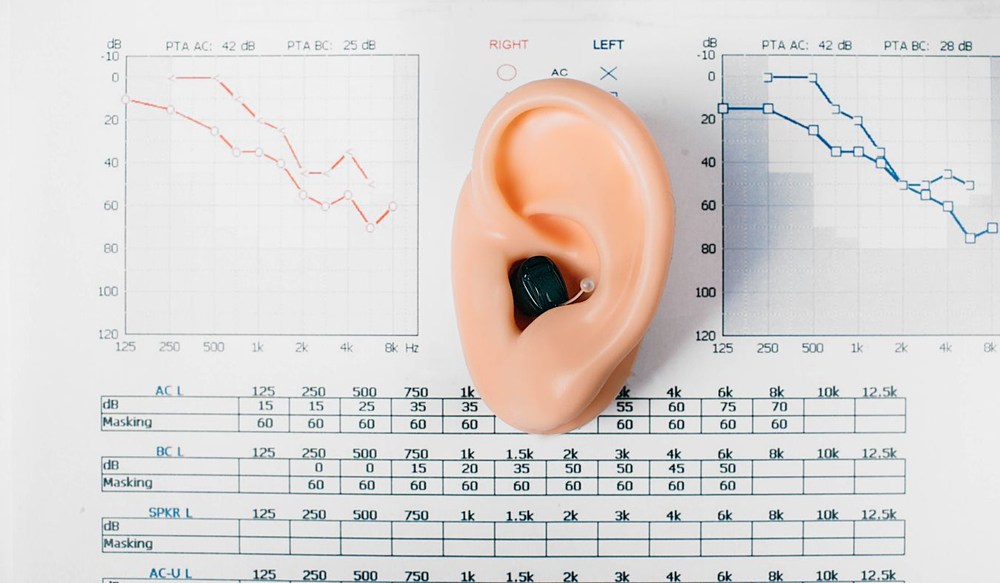
You might ask why certain voices are harder to follow or why one ear hears differently than the other. Your hearing test results contain information about those differences, including which pitches you hear well and which ones need more volume.
You don’t need to learn all the technical terms, but you should be able to leave an appointment knowing what your results mean for you.
Searching for hearing health information online can bring up everything from medical articles to product advertisements. Some websites explain how hearing works, while others make claims about treatments or devices without much detail.
Look for the author’s name and qualifications, particularly when an article discusses hearing loss or treatment. Universities, professional organizations and medical centers often publish information written or reviewed by people working in hearing care.
The date of an article is another detail to check. Hearing aid technology changes regularly, and information about older models may no longer apply.
You may also come across personal reviews describing someone’s experience with a particular device.
Those accounts are useful for hearing different opinions, but everyone’s hearing needs are different. If something you’ve read leaves you wondering, you can bring it up during your next appointment and discuss it with your specialist.
You probably have a few questions about your hearing, especially if you’ve recently had a hearing test. Some might come up during your appointment, while others occur to you later.
Common questions include:
Your hearing specialist can explain which hearing aid options are available for the type of hearing loss you have. Hearing aids are one possibility, but you might also discuss devices that send television audio directly to your ears.
There are microphones designed to pick up someone’s voice from farther away, too. Your specialist can show you how these devices work and explain what they’re designed to do.
You can also talk about things that don’t involve wearing a device. For example, your specialist might explain why certain seating arrangements work better for conversations or how to reduce competing sounds at home.
Hearing protection is another topic, particularly if you spend time around loud equipment or enjoy concerts. You’ll have a chance to discuss the differences between these options, including what each one can realistically do for your hearing.
Hearing devices come in different styles, with features that depend on the model you use. Your hearing specialist can show you the options and explain how they work.
Here are some you might talk about:
Some models automatically adjust when you move from a quiet room to a busy restaurant. Your hearing specialist can explain how these features work and when you might use them.
Many hearing aids also connect to compatible phones for calls or music streaming. Some use rechargeable batteries, while others have replaceable ones.
Certain models come with apps where you can change the volume or switch listening programs. Your specialist can show you which features are available on your devices and how to use them.
You don’t have to follow every new development in hearing care to stay informed about your own hearing. Keep a copy of your hearing test results, so you have something to look back on.
If you come across a situation where you’re having trouble hearing, make a note of it. You can bring those examples to your next appointment rather than trying to remember them later.
Your regular visits are also a chance to ask what’s new. Your hearing specialist can compare your test results with earlier ones and tell you about any updates to your current devices.
You might also hear about new listening features or changes in hearing care recommendations. Between appointments, you can read articles from professional hearing care organizations whenever there’s a topic you’re curious about.
Once you’ve worn your hearing aids for a while, you’ll have a better idea of how they sound in the places you spend time. You might want to adjust the volume for certain situations or ask about a feature you haven’t used much.
Follow-up visits are a chance to talk about those things and make changes with your hearing specialist. Your specialist can also check that your hearing aids are working as they should.
That might include cleaning the devices, checking the programming or measuring how much sound they’re delivering to your ears. You can bring up anything that’s changed since your last appointment, even if it’s something small.
There’s a lot to take in during a hearing appointment, and you may not remember every detail afterward. You might need another demonstration of a hearing aid feature or want to go over something your specialist explained before.
There’s nothing unusual about asking again. You can also bring up information you’ve come across since your last visit and get an explanation that relates to your hearing.
The questions you ask may change as you become more familiar with your hearing needs. Perhaps you want to learn more about different listening programs or how certain sounds are processed.
Your specialist already has your hearing history and can refer to earlier test results during those conversations. You can spend more time discussing the details you’re interested in rather than covering everything from the beginning.
You should leave a hearing appointment feeling like you’ve had enough time to talk about what brought you there. Maybe there’s something you want explained in more detail or a decision you’d like to think over.
You may even have questions that come up after you’ve had a chance to consider everything. We’re happy to go through those details with you, whether it’s your first visit or you’ve been coming in for years.
At Kenwood Hearing Centers in El Cerrito, we want you to have a say in your hearing care. We’ll explain our recommendations, talk about the options available and listen to what you think.
There’s always room to ask another question or revisit something we’ve discussed before. Call us at (510) 768-7091 to schedule an appointment.
If you’ve ever stopped at the El Cerrito Plaza Farmers Market,
By: admin | October 27, 2026

Living in the East Bay means live music is never more than a short drive
By: admin | August 24, 2026

One of the first thoughts that comes up when someone looks into hearing
By: admin | May 18, 2026