

New Hearing Protection Options for Concertgoers
Living in the East Bay means live music is never more than a short drive
By: admin | March 25, 2026
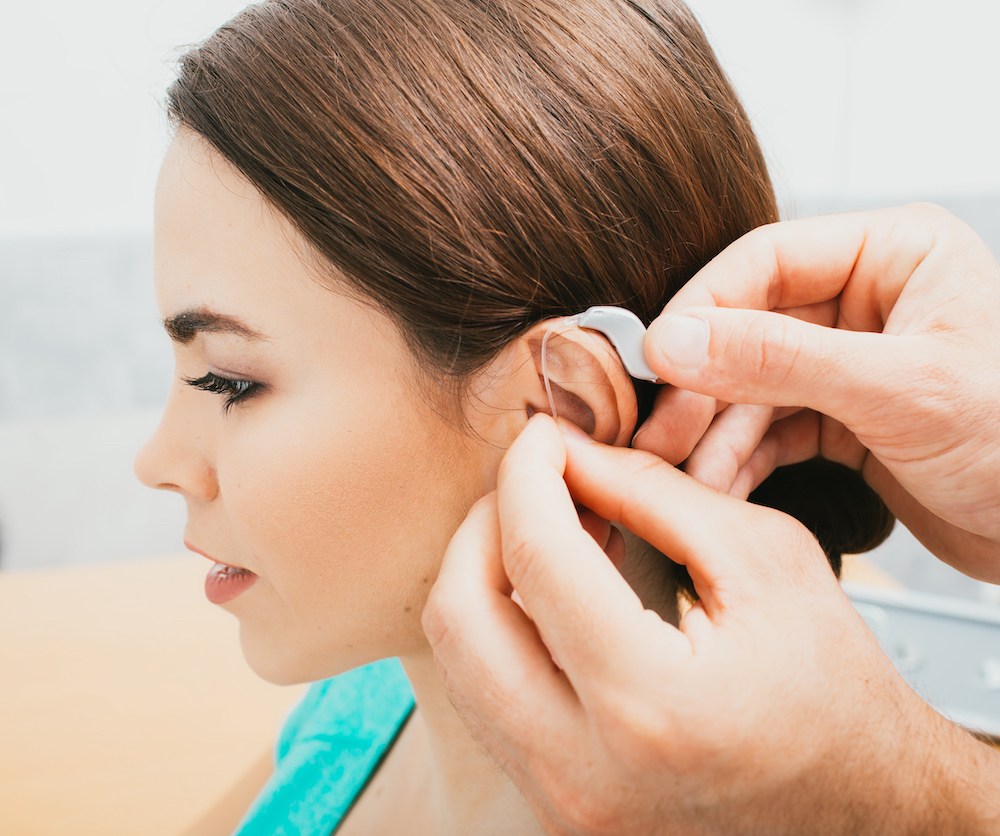
Most people don’t seek out hearing aids for the calm moments at home. You probably handle one-on-one chats just fine.
The real struggle starts when you’re out at a favorite restaurant or a family party and the background noise becomes impossible to cut through. These situations are where hearing loss hurts the most, because you want to be part of the group, not just a spectator.
A noisy crowd changes the math for your brain. You might find yourself nodding along to sentences you didn’t actually catch because the mental drain of picking out words is too high.
Your mind no longer filters out background clutter the way it once did, which makes a simple social outing feel like a full day of work. Often, it feels easier to just stay home than to deal with the exhaustion of trying to follow a conversation.
The actual test for any device is how it handles that environment. You need to know if a hearing aid helps you catch a joke across a crowded dinner table or if it just turns up the volume on the surrounding noise.
A good fit should make those loud environments feel manageable and natural again, so you can focus on the people instead of the background.
Modern hearing aids do much more than just make the world louder. A basic amplifier turns up every sound at once, which usually makes background noise even more overwhelming.
These devices use a digital processor to analyze your environment and prioritize the sounds you actually need to hear. This technology acts like a filter that separates speech from the constant hum of the world around you.
The process begins when the device splits incoming sound into different levels of pitch. This allows the hearing aid to provide more volume for the specific areas where you have trouble while leaving other sounds at a natural level.
The processor identifies specific speech cues and makes them clearer so you can distinguish between similar words without heavy effort.
This selective focus helps your brain make sense of a noisy room. The device constantly monitors for steady sounds, like a humming air conditioner, and dampens them so they stay in the background.
This balance ensures that the sounds you want to hear stay clear, while the rest of the noise remains manageable.
Background noise exists in almost every part of life. Traffic, music or even just a few people talking in the same room can make it difficult to catch what someone says. These extra sounds often blend together for a person with hearing loss, which makes speech feel muted.
The struggle goes beyond just the volume of the noise. A brain with hearing loss has to work much harder to pick out a single voice from the clutter of a busy environment.
This constant effort turns a simple chat into a mental workout and leaves you feeling drained after a short time. When the environment gets loud, the nuances of speech often disappear entirely.
Following a conversation in a noisy environment is cognitively demanding because the brain must do far more than simply hear words. It has to actively separate the target voice from all the competing sounds around it, a process researchers call auditory scene analysis.
In quiet conditions, understanding speech is largely automatic. But in noise, the auditory system struggles to cleanly pick out one voice from the background. The brain has to work overtime, filling in sounds and guesswork to piece together what was said.
All of that reconstruction burns through mental resources that would otherwise go toward understanding the meaning of what you heard, thinking of a response and remembering the thread of the conversation.
The deeper problem is that noise throws off the balance of mental effort that normal conversation relies on.
When you have to concentrate hard just to catch individual words, there is simply less attention left over for things like tone of voice, implied meaning or the overall arc of what someone is telling you.
This is especially noticeable for people with even mild hearing loss, who may find noisy environments genuinely exhausting because of how hard their brains are working just to keep up.
The brain has to keep locking onto one voice while constantly filtering out all the others, and sustaining that focus takes real effort in a way that listening in a quiet room simply does not.
Speech and background noise often occur at the same time, which can make it harder to focus on what someone is saying. Hearing aids are designed to manage different types of sound so that voices are more distinct from surrounding noise. Modern devices use technology like:
Directional microphones are designed to pick up sounds mainly from the direction you are facing. This helps make speech clearer when talking to someone in front of you, especially in noisy places.
For example, hearing a friend’s voice at a busy restaurant can be easier when directional microphones reduce sounds coming from behind or beside you.
If people are speaking from different directions or if there is a sudden loud noise nearby, turning your body toward the person speaking can help the microphones work better and improve how well you hear their voice.
Noise reduction technology in today’s hearing aids makes listening more comfortable in noisy places. These features lower steady background sounds, like the hum of a fan or traffic outside.
The device uses tiny microphones and computer chips to pick up sounds and decide which ones should be made quieter. This helps speech stand out so you can hear voices more clearly.
Many hearing aids let you adjust how much noise reduction you want, so you can match your settings to your surroundings. Some models even do this automatically. This makes it easier to follow conversations and feel at ease, even when there is a lot going on around you.
Digital signal processing (DSP) is a key feature in most modern hearing aids. This technology changes sound waves into digital signals, allowing the device to sort and adjust different sounds almost instantly.
DSP quickly analyzes everything you hear and separates speech from other sounds like traffic or music. The hearing aid then boosts the sounds you want to hear and reduces those that might distract you.
Feedback cancellation is another feature that stops whistling or squealing noises that sometimes happen with hearing aids.
Together, these advances help make your listening experience feel more natural and comfortable, so you can focus on clear communication with friends and family.
Even the best hearing aids have limits in very busy or loud places. When many voices and sounds happen at once, your devices may not always be able to separate everything clearly.
Following a conversation when several people are talking can be difficult. Asking friends or family to speak one at a time and choosing seating away from speakers or loud can help.
Working with your specialist to adjust your hearing aid settings for different environments is another helpful step. Some hearing aids have special programs for noisy places that can be turned on when needed, making it easier for you to focus on speech even in busy situations.
Getting your first hearing aids is a bit like stepping outside after a long time indoors. Suddenly, there is more going on than you remembered, and not all of it feels welcome at first.
Here are a few things that can make the adjustment period a little smoother:
Background noise can make listening more demanding, especially when hearing aids are not providing the clarity you expect. Certain patterns may suggest it is time to have your hearing and devices reviewed.
You deserve to be present in those moments, not working around them. The right hearing aids do not just restore sound; they give you back the mental energy that hearing loss has quietly been draining.
When your brain is no longer burning through its reserves just to follow a single sentence, you can actually enjoy the conversation instead of surviving it. That is the difference between a device that amplifies everything and one that is properly fitted to the way you actually live.
At Kenwood Hearing Centers in El Cerrito, CA, we work with people every day who are tired of sitting on the sidelines of their own lives.
When you are ready to find out what a proper fit can do for you in the moments that actually matter, give us a call at (510) 768-7091. We are here to help you get back to the table.
Tags: hearing aid styles
Living in the East Bay means live music is never more than a short drive
By: admin | August 24, 2026

One of the first thoughts that comes up when someone looks into hearing
By: admin | May 18, 2026
Most people don’t seek out hearing aids for the calm moments at
By: admin | March 25, 2026